
WHAT IS SERCOVA?
The Seram Climate and Conservation (SERCOVA) Project is an improved forest management (IFM) project that converts logging activities into protected forest activities.
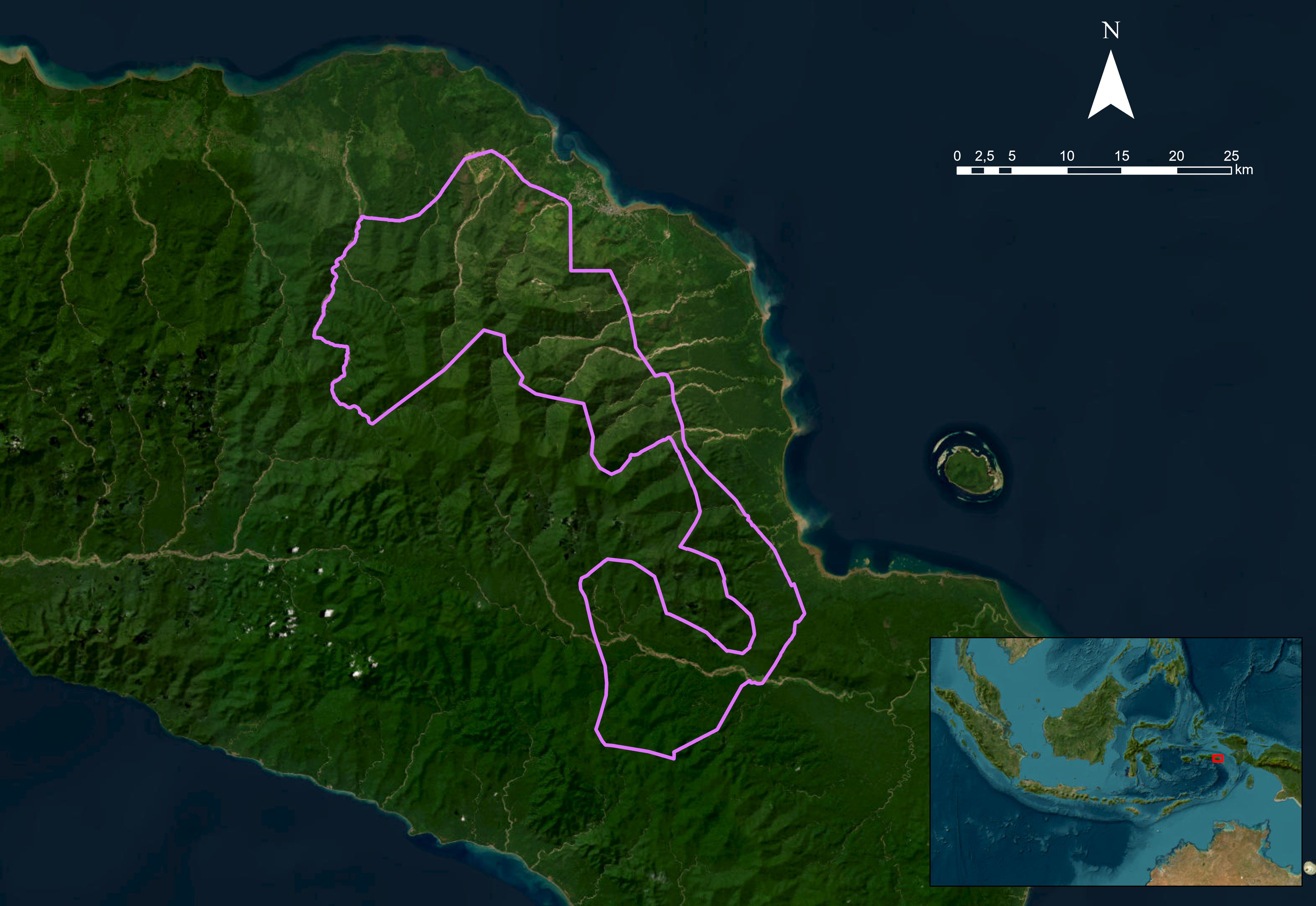
Total area konsesi ± 73,365 ha, yang terdiri dari total 5,880 ha hutan lindung, 2,009 ha area non-efektif, dan 66,076 ha area efektif (Hutan Primer, Hutan Sekunder, dan Non-Hutan). Area yang tersedia untuk Peningkatan Pengelolaan Hutan (IFM) adalah 56,189 ha (Hutan Primer dan Hutan Sekunder).
Proyek ini berada di dalam ekosistem unik Kawasan Wallacea di Pulau Seram dengan total kawasan ±73,365 ha. Berdasarkan studi yang dilakukan, proyek ini merupakan rumah lebih dari 280 spesies flora dan fauna, lebih dari 8 spesies termasuk dalam kategori spesies terancam secara global menurut IUCN1, 23 species terdaftar dalam CITES2, dan 24 spesies yang dilindungi di bawah hukum Indonesia.
Proyek ini juga diharapkan dapat memberikan manfaat yang luar biasa bagi masyarakat. Terdapat 13 desa di sekitar area proyek, dimana 12 desa diantaranya memiliki pendapatan di bawah garis kemiskinan nasional (sekitar USD 5 per hari). Kegiatan-kegiatan dalam proyek ini dirancang untuk berkontribusi pada pengentasan kemiskinan bagi masyarakat miskin. Dengan lebih dari 21,437 orang (9,881 perempuan), Proyek SERCOVA menargetkan 56% dari keseluruhan populasi masyarakat miskin di Kabupaten Seram Bagian Timur, Provinsi Maluku.
Skenario dasar penghapusan dan pengurangan emisi Gas Rumah Kaca (GRK) adalah 50,4 juta tCO2eq (37 tahun) atau 1,361,337 tCO2eq per tahun, sedangkan penghapusan dan pengurangan emisi GRK skenario proyek diperkirakan mencapai 3.853.029 juta tCO2e dalam kurun waktu 37 tahun atau 104.135,93 tCO2e per tahun.
Periode kredit pertama dimulai pada tahun 2021-2024 dengan total VCU (Verified Carbon Unit) sebesar 678,863 tCO2e / Laporan Monitoring pertama. Periode ini diproyeksikan akan tersedia pada Kuartal 1 2025.
Our Project Benefits
Outcome or impact estimated by the end of project lifetime :
1). Protection and conservation of 56,189 ha of forest area
2). Protection and enhancement of two species of fauna (Cacatua moluccensis, Lorius domicella) and one species of flora population (Diospyros rostrata)
3). Enhanced community wellbeing through improved health services, education, and sustainable job opportunities, around 10,123 people will be benefited in the first 5 years of the project.
4). Enriched scientific knowledge on climate change, ecosystem diversity, and socio- cultural of the project
Our Methodology
The overall methodology for calculating emissions and removals/reductions is using the Verified Carbon Standard (VCS) VM0010 methodology for Improve Forest management. Verra Registry Project ID 5283
This methodology is applied and selected due to the project activity includes
planned timber harvest, and under the project scenario, forest use is limited to activities that
do not result in commercial timber harvest or forest degradation. The selected carbon pools were
the above ground biomass, deadwood, and harvested wood products.
The above ground biomass
estimation was following non-destructive sampling using 30 nested-sampling plots (size 0.25 ha
each) along six 2-km transects. The number of plots has fulfilled the VCS requirement of 10%
error and 95% confidence interval.
OUR CONTRIBUTION
TO THE SUSTAINABLE DEVELOPMENT GOALS